
Ox Moor House

Home Decorating for a Modern House

Category: Product

  • The Great Throw Blanket Question: Which Materials Survive Real Use?

    Let’s be real about throw blankets: the one you saw in the store, artfully draped and impossibly soft, is auditioning for a very different life than the one you’re about to give it. In your home it will be sat on, spilled on, dragged to the couch, kicked to the floor, claimed by a pet, and washed on whatever cycle you’re honestly going to use. So the question of the best throw blanket material isn’t really “which feels nicest for ten seconds in a shop.” It’s “which one still looks and feels good after a year of actual use.”

    After years of buying, gifting, ruining, and occasionally rescuing throws, I have opinions. Strong ones. This is the same spirit in which I approached The Great Candle Test: less “here’s what’s trendy,” more “here’s what survives contact with real life.” Let’s go material by material.

    What Actually Makes the Best Throw Blanket Material

    Before the contenders, the criteria. Every throw in my house gets judged on five things:

    • Warmth for its weight. Does it actually keep you warm, or is it decorative insulation theater?
    • Washability. Can it go in the machine, and does it come out the same blanket that went in?
    • Pilling and shedding. Does it still look presentable after months of friction, or does it grow a beard?
    • Pet compatibility. Claws, fur, and the occasional mystery incident. Some fabrics forgive; some hold grudges.
    • How it drapes. A throw spends most of its life being looked at. Stiff fabrics never look relaxed, no matter how you fold them.

    Wool: The Overachiever With One Flaw

    Wool is the veteran for a reason. Nothing else delivers that dense, grounding warmth, and a good wool throw is naturally odor-resistant, hard to stain, and ages beautifully. It drapes with a satisfying weight, resists pilling far better than most synthetics, and a well-made one can genuinely last decades. Merino and lambswool are softer against skin; traditional wool blends are more rustic and more durable.

    The flaw? Care. Most wool throws want hand washing or dry cleaning, and a trip through a hot machine cycle will turn your beautiful blanket into a very expensive potholder. Wool is also the scratchiest of the bunch unless you pay up for the finer fibers. My verdict: the best living room throw for adults who mostly drape and occasionally snuggle, and a poor choice for households where everything ends up in the wash weekly.

    Cotton: The Easy-Going Workhorse

    Cotton is the golden retriever of throw materials: not fancy, endlessly agreeable, happy to be machine washed again and again. Waffle weaves and knits breathe well, which makes cotton the rare throw you’ll actually use in summer, and it softens with every wash rather than degrading. It’s also the most forgiving choice for anyone with sensitive skin or allergies.

    The trade-off is warmth. Cotton is a light-to-medium warmth material, more “nice layer” than “cocoon.” Heavier cotton knits can pill with friction, and cheap ones lose their shape. But for everyday sofa duty, kids, and anyone whose laundry philosophy is “everything goes in the machine,” cotton is quietly the most practical answer on this list.

    Linen: The Summer Specialist

    Linen throws confuse people. A blanket made of the fabric famous for keeping you cool? But that’s exactly the point. A linen throw is for warm climates, summer evenings, and people who run hot but still want something over their legs. It’s breathable, gets softer with age, and has that beautifully rumpled, effortless look that no other fiber can fake.

    Machine washable, extremely durable, and naturally resistant to pilling. What it will never be is cozy in the deep-winter sense. Buy linen as your warm-weather throw and as a layering piece, not as your January blanket. As a bonus, the lived-in texture is a styling gift; a linen throw tossed over a sofa arm looks better slightly messy, which is the only way throws ever actually exist.

    Acrylic: The Budget Contender With an Asterisk

    Acrylic throws are everywhere because they hit the trifecta stores love: cheap, soft on day one, and available in every color ever invented. And to be fair, modern acrylic has real strengths. It’s machine washable, holds dye brilliantly, dries fast, and doesn’t attract moths.

    Here’s the asterisk: friction is acrylic’s enemy. The soft fuzzy surface that seduced you in the store is exactly what pills, mats, and goes scraggly with heavy use, and once an acrylic throw goes downhill it doesn’t come back. Static cling and less breathability are the other quiet complaints; acrylic warmth can feel a bit airless, like wearing a plastic bag with ambitions. My honest take: a good choice for guest rooms, style refreshes, and tight budgets, but for your everyday main-character throw, expect to replace it sooner than the natural fibers.

    Chenille: Maximum Softness, Handle With Care

    Chenille is the throw people pet like an animal. That plush, velvety pile is genuinely unmatched for pure tactile pleasure, and chenille drapes beautifully, with a subtle sheen that reads as luxurious even at mid-range prices.

    But chenille is a diva. The pile can crush, snag, and shed, machine washing is often a gamble even when the label technically allows it, and a single pulled loop can unravel into a run. And if you share your home with cats, I’m sorry, but chenille and claws are a doomed romance. This is a “beautiful third throw” material: the one for the reading chair that gets adored gently, not the family sofa that gets lived on.

    The Pet Household Rankings

    Since this is the question I get asked most, here’s my order for homes with pets, a topic I covered more broadly in Pet-Friendly Homeware. Cotton wins: washable, durable, and fur brushes off tight weaves fairly easily. Linen is a close second for the same reasons. Wool does surprisingly well with fur but fails the washability test the first time something unspeakable happens. Acrylic is washable but pet claws accelerate its pilling problem dramatically. And chenille, as established, should not live with cats. Loops plus claws equals heartbreak.

    The Fine Print: Blends, Weights, and Sizes

    Real-world throws are often blends, and blends can be either the best of both worlds or a marketing trick, depending on the ratios. A wool-cotton blend genuinely does soften wool’s scratch while keeping some of its warmth. A “wool blend” that turns out to be 10 percent wool and 90 percent acrylic is an acrylic throw with a better story. The percentages are on the label, and higher natural fiber content is generally the better bet for longevity. Anything above roughly half natural fiber will mostly behave like the natural fiber; below that, expect synthetic behavior.

    Size and weight deserve ten seconds of thought too. The standard 50 by 60 inch throw is a one-person blanket, full stop, and half the throw disappointment in the world comes from expecting it to cover a couple on movie night. If sharing is the plan, size up. Weight is a personal calibration: some people want a substantial, pinned-down feeling and should lean toward wool or heavy cotton knits, while others feel trapped under anything heavier than a whisper and will be happiest with linen or a light cotton weave. There’s no right answer, but there’s definitely a right answer for you, and it’s worth knowing before you spend real money.

    So Which One Should You Buy?

    Match the material to the job, not the display shelf. For the everyday family sofa: cotton, no hesitation. For grown-up cozy and maximum warmth: wool, if you’ll respect its care label. For summer and hot sleepers: linen. For budget refreshes and guest spaces: acrylic, eyes open. For the beautiful chair nobody’s allowed to eat near: chenille.

    And whichever way you go, check the label for the actual fiber content before you fall in love. “Cozy knit throw” is a vibe, not a material. The label is where the truth lives, and now you know how to read it.
  • The Great Candle Test: Which $30+ Luxury Candles Are Worth the Splurge?

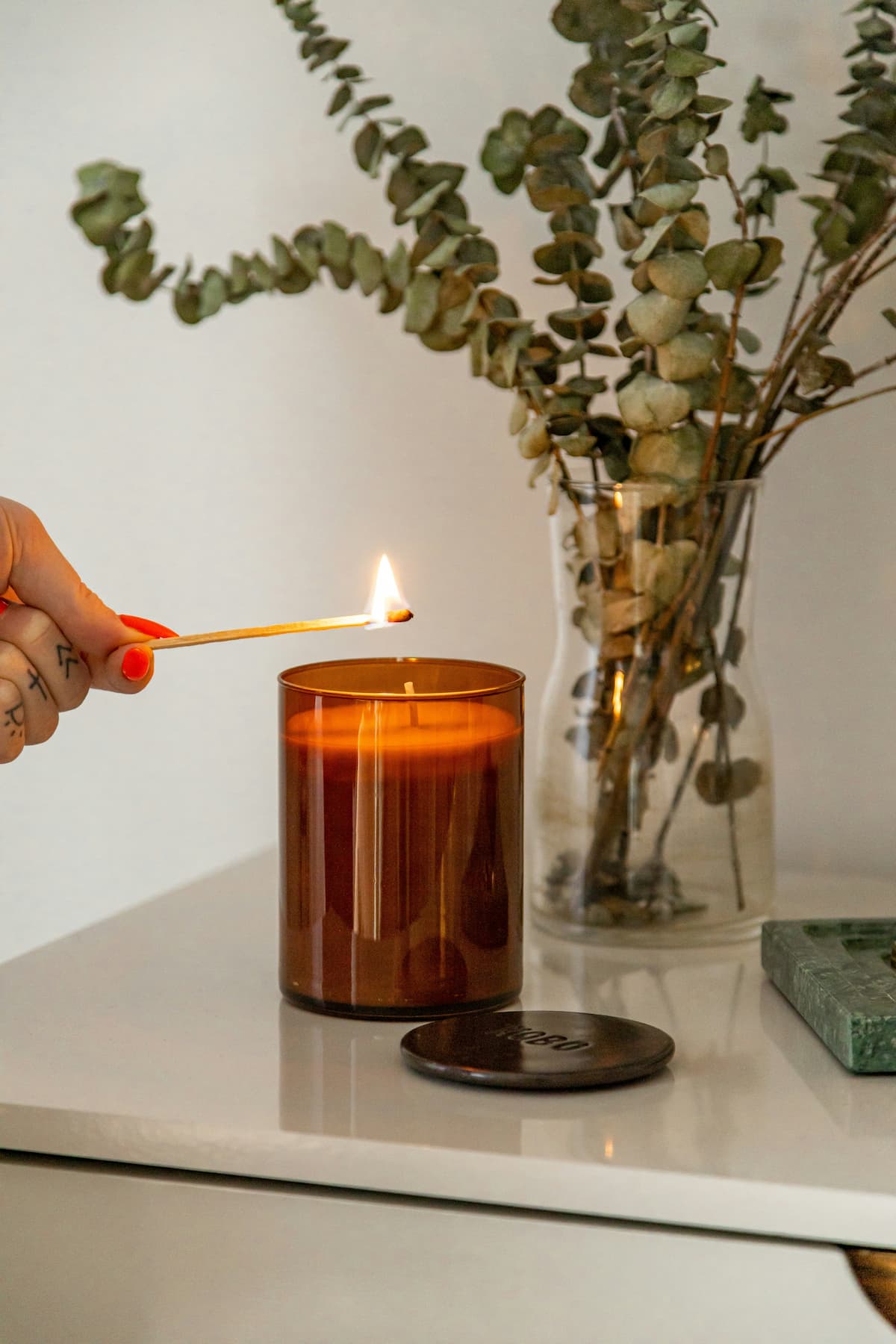
    The Great Candle Test: Which $30+ Luxury Candles Are Worth the Splurge?

    Can we talk about the elephant in the room? That $65 candle you’ve been eyeing online for three months. You know the one—it has thousands of glowing reviews, looks gorgeous in everyone’s Instagram photos, and promises to transform your living room into a Parisian café or a cozy cabin in the woods.

    But is it actually worth it? I mean, a candle is just wax and a wick, right?

    Wrong. And I learned this the expensive way.

    What Makes a Luxury Candle Actually Luxurious?

    After burning through more premium candles than I care to admit (and my wallet cares to remember), I’ve figured out what separates the truly great ones from the overpriced pretty jars.

    First, it’s the wax. Soy and coconut wax blends burn cleaner and longer than paraffin. They don’t leave that black soot on your walls, and they actually fill your room with scent instead of just making the area right around the candle smell nice.

    Second, the wick matters more than you’d think. A good cotton wick burns evenly and doesn’t mushroom or smoke. Cheap candles tunnel down the middle, leaving you with a ring of wasted wax around the edges.

    The Scent Test

    Here’s where things get personal. A $70 candle that smells like vanilla birthday cake might be amazing to your neighbor but smell like a sugar overload to you. The best luxury candles have complex, layered scents that evolve as they burn.

    I’ve found that the really good ones smell different when you first light them versus an hour later. They tell a story instead of just hitting you with one note over and over.

    Burn Time Reality Check

    Most luxury candles promise 40-60 hours of burn time. In my experience, this is usually accurate if you follow the rules—burn for no more than 4 hours at a time, trim the wick, all that jazz.

    But here’s the thing: a $45 candle that burns for 50 hours costs you about 90 cents per hour of ambiance. When you think about it that way, it’s actually not that crazy compared to other small luxuries.

    The Brands That Actually Deliver

    Without naming names (because scent is so personal), I’ve found that the brands worth the splurge usually have a few things in common: they’re transparent about their ingredients, they’ve been around for a while, and they don’t rely solely on Instagram marketing.

    The ones that have disappointed me tend to be either too trendy (all packaging, no substance) or too traditional (haven’t updated their formulas in decades).

    When to Splurge vs. When to Save

    Here’s my honest take: if you burn candles every day, the luxury ones are worth it. The cleaner burn, better scent throw, and longer life actually make them a better value in the long run.

    But if you’re a once-in-a-while candle person, or if you’re buying them mainly for the aesthetic, you might be better off with something in the $15-25 range that still looks good on your shelf.

    The Verdict

    After testing way too many expensive candles, I think there are about five brands that consistently deliver on their promises. They’re not cheap, but they’re not trying to rip you off either.

    The key is knowing what you’re paying for. Are you buying the candle, or are you buying the experience? Both are valid, but being honest about it will save you from buyer’s remorse.

    My Bottom Line

    A really good luxury candle can absolutely transform your space and your mood. But a mediocre expensive candle is just an expensive disappointment in a pretty jar.

    Do your research, read reviews from actual users (not just influencers), and maybe start with a smaller size if the brand offers it. Your nose—and your wallet—will thank you.

    And remember, the best candle is the one that makes you happy when you light it, regardless of what you paid for it.

  • Coffee Table Books That Actually Deserve Display: Our Top 15 Picks for Every Style

    Coffee Table Books That Actually Deserve Display: Our Top 15 Picks for Every Style

    Coffee table books occupy a unique space in home design—they’re both functional objects and decorative elements, conversation starters and personal statements. But here’s the thing: most coffee table books never get opened. They sit there looking pretty until they’re moved to make room for actual coffee cups, then eventually relegated to a shelf where they gather dust.

    The best coffee table books earn their prominent placement by being genuinely engaging. They’re the books that guests actually pick up and flip through, that you find yourself returning to during quiet moments, and that reveal new details every time you open them.

    We’ve spent months curating and testing coffee table books across every design style and interest area. These 15 titles didn’t just pass our “beautiful spine” test—they passed our “still interesting after six months on the table” test.

    For the Design Obsessed

    “The New Decorators” by Emma Morton

    This isn’t another sterile showcase of perfect rooms. Morton profiles real people with exceptional taste but approachable budgets, showing how thoughtful choices trump unlimited spending. The photography is stunning, but what makes this book special is how it actually teaches you to see spaces differently. We’ve caught ourselves referencing specific pages months after first reading it.

    “Axel Vervoordt: Timeless Interiors” by Axel Vervoordt

    Vervoordt’s approach to patina, texture, and the beauty of aged materials has influenced a generation of designers. This book captures his philosophy through gorgeous photography of spaces that feel both ancient and completely contemporary. It’s the kind of book that changes how you think about mixing old and new pieces.

    “The New Bohemians” by Justina Blakeney

    If maximalist, globally-inspired interiors speak to you, this book is essential. Blakeney’s approach to color, pattern, and plants creates spaces that feel collected rather than decorated. The book works as both inspiration and practical guide, with styling tips that actually work in real homes.

    For Art and Culture Lovers

    “Women: The National Geographic Image Collection”

    The photography in this collection is absolutely breathtaking, but it’s the diversity of perspectives and stories that makes it truly compelling. Each spread offers something new to discover, making it the rare coffee table book that rewards repeated viewing.

    “Frida Kahlo: The Complete Paintings” by Luis-Martín Lozano

    Kahlo’s work deserves to be seen in large format, and this comprehensive collection doesn’t disappoint. The book includes rarely seen pieces alongside her most famous works, with insightful commentary that adds depth without overwhelming the visual experience.

    “David Hockney: A Bigger Book” by Taschen

    Yes, it’s enormous. Yes, it’s heavy. But Hockney’s vibrant use of color and his evolution as an artist across decades makes this worth the coffee table real estate it demands. The pool paintings alone justify its presence.

    For Travel and Adventure Spirits

    “The Kinfolk Travel” by John Burns

    This book captures the essence of slow travel—seeking authentic experiences over tourist attractions. The photography is gorgeous, but the real value lies in how it inspires a different approach to exploring both familiar and foreign places.

    “Cereal City Guide Collection”

    Each guide in this series focuses on a single city through the lens of thoughtful travelers who prioritize quality over quantity. The minimal design and carefully curated recommendations make these books as useful for actual travel planning as they are beautiful to display.

    “National Geographic: The Photographs” by Leah Bendavid-Val

    Decades of iconic photography from one of the world’s most respected publications. What sets this apart from other photography collections is the behind-the-scenes stories that accompany many images—context that makes you appreciate both the artistry and the adventure required to capture these moments.

    For Food and Lifestyle Enthusiasts

    “My Paris Kitchen” by David Lebovitz

    This isn’t just a cookbook—it’s a love letter to Paris told through food and stories. Lebovitz’s writing is engaging enough to read cover to cover, but the book also works beautifully for casual browsing. The photography captures both the food and the city in ways that make you want to book a flight immediately.

    “The Kinfolk Table” by Nathan Williams

    Simple, seasonal cooking presented with the clean aesthetic Kinfolk is known for. The recipes are approachable, but it’s the styling and photography that make this book a standout coffee table piece. It promotes a philosophy of gathering that feels both aspirational and achievable.

    For Architecture and Space Lovers

    “The Iconic House” by Dominic Bradbury

    This collection of architectural masterpieces spans decades and continents, showcasing homes that changed how we think about domestic space. Each house is presented with both historical context and stunning contemporary photography, making complex architectural concepts accessible to any design enthusiast.

    “Small Homes, Grand Living” by Gestalten

    In an era when space is at a premium, this book showcases how thoughtful design can make compact homes feel spacious and luxurious. The practical solutions and creative use of space make this genuinely useful for anyone dealing with small-space challenges.

    For the Naturally Inclined

    “The Well-Gardened Mind” by Sue Stuart-Smith

    This beautiful exploration of how gardens heal and inspire combines stunning photography with thoughtful writing about the connection between gardening and mental health. Even non-gardeners find themselves drawn to the peaceful, contemplative mood this book creates.

    “The Hidden Life of Trees” by Peter Wohlleben

    Wohlleben’s insights into forest ecosystems are fascinating, but it’s the large-format photography of forests around the world that makes this work as a coffee table book. It changes how you see trees and forests, making even urban dwellers more aware of the natural world around them.

    How We Choose Coffee Table Books

    Our selection process goes beyond beautiful covers and impressive photography. We live with these books for months, noting which ones we actually return to, which spark conversations with guests, and which continue to reveal new details over time.

    We also consider practical factors: Does the book lie flat when open? Are the pages thick enough to handle regular browsing? Is the binding sturdy enough to withstand being picked up repeatedly? The most beautiful book in the world isn’t worth displaying if it falls apart after a few months of normal use.

    Styling Your Coffee Table Books

    The key to styling coffee table books is restraint. Three to five books maximum, unless you have an exceptionally large coffee table. Stack some, lay others flat, and leave space for actual use of the table.

    Consider varying heights and orientations—a tall book next to a stack of shorter ones creates visual interest. And remember that coffee table books work beautifully in other locations too: console tables, ottomans, and built-in shelving all benefit from the same thoughtful curation.

    The Investment Perspective

    Quality coffee table books hold their value remarkably well, especially titles from respected publishers like Taschen, Phaidon, and Rizzoli. They’re also gifts that feel substantial and considered—the kind of present that communicates real thought about the recipient’s interests and style.

    More importantly, the right coffee table book becomes part of your home’s story. It’s the book guests always comment on, the one you find yourself photographing when the light hits it just right, the one that still catches your eye months after you first placed it on your table.

    The Bottom Line

    The best coffee table books earn their place not just through beautiful photography, but by offering genuine substance that rewards repeated viewing. Whether you’re drawn to interior design inspiration, artistic photography, or cultural exploration, these 15 titles deliver both visual impact and lasting engagement.

    What coffee table books have earned permanent places in your home? We’re always on the hunt for hidden gems and reader recommendations. Share your favorites in the comments—your discovery might become our next obsession.